

07 MAY 2026
acciona.org extends electricity and water services to 200,000 people (+24%) in remote communities
- GROWTH: The foundation has doubled its impact in three years, reaching 41,000 households —as well as small businesses, schools, and health and community centers— across nine countries
- SOCIAL IMPACT: Access to clean electricity, quality water, and adequate sanitation improves people's quality of life and the environment, generating a spiral of progress
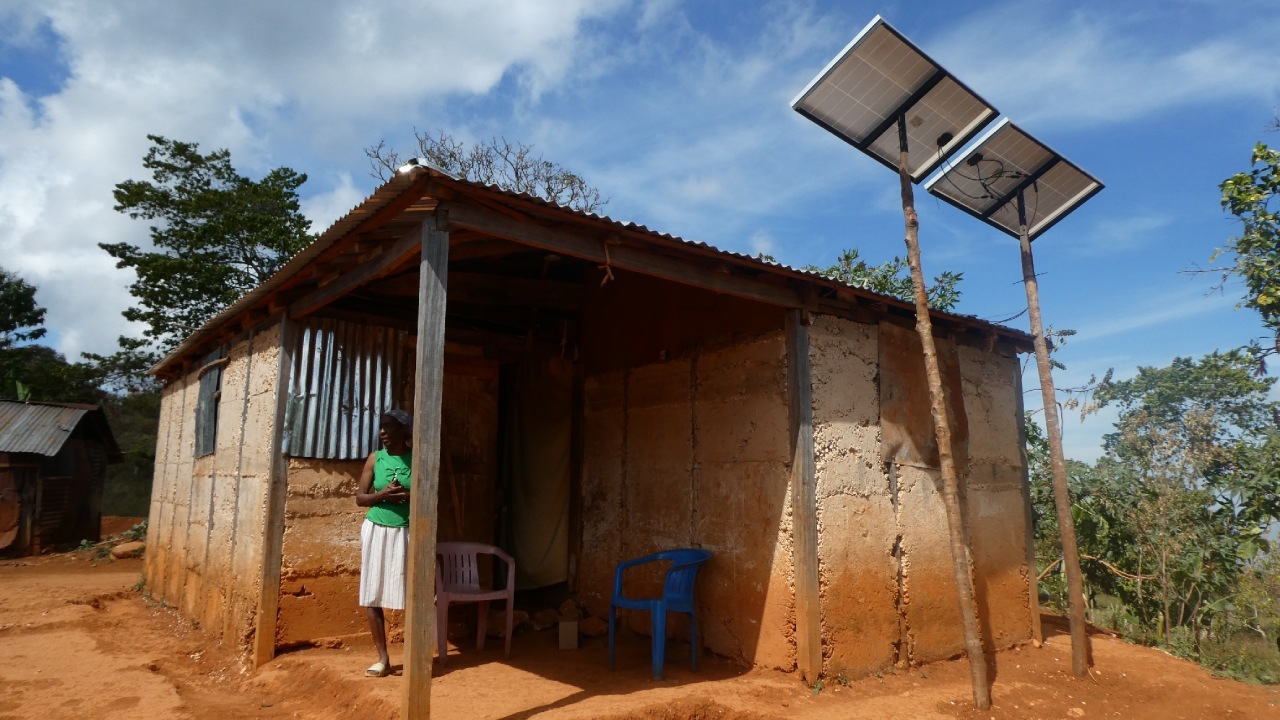
acciona.org, ACCIONA’s corporate foundation, extended access to renewable electricity, safe, high-quality water, and adequate sanitation to nearly 200,000 people (+24%) across nine countries during 2025. The foundation has doubled its impact in three years and now supports 41,000 households, as well as small businesses and educational, health, and community centers across Peru, Mexico, Panama, Chile, the Philippines, the Dominican Republic, Ethiopia, South Africa, and Spain. Its service model is based on the active involvement of the communities it works with, which share responsibility for management and maintenance to guarantee continuity of supply.
Access to basic services of clean electricity, high quality water, and adequate sanitation generates a virtuous circle of progress through the positive impact on the living conditions and environment of the more than 1,900 indigenous, and refugee communities reached by acciona.org.
Poverty reduction. In 2025, acciona.org’s solutions allowed the households supported to save between 30% and 50% on energy expenses and obtain higher income through new productive activities, resulting in a combined positive economic impact of €2.27 million.
Local economy. acciona.org’s 62 user service centers offered advice and service management, spare parts, accessories, and appliances. This reliable access to electricity fosters the creation of shops, catering businesses, and craft or sewing workshops.
Health and hygiene. Photovoltaic systems with batteries provide up to 12 hours of electric light daily (totaling 69.27 million hours in 2025) and prevent diseases caused by smoke and the low light intensity of candles, kerosene, firewood, etc. Furthermore, photovoltaic systems prevent domestic accidents and fires caused by fossil fuels. Access to high quality water improves hygiene and prevents digestive diseases, with a greater impact on women and girls, who are traditionally responsible for household care and water management.
Education. More than 74,200 children were able to spend a combined 4.13 million additional hours last year doing homework at home thanks to the supply of electricity for lighting, leading to improved education and greater future opportunities.
Gender equality. acciona.org promotes the inclusion of women in decision-making and project management. At the close of the year, more than 1,400 women participated in representative bodies promoted by acciona.org in each community to manage and supervise services. Nearly half of the user service centers, a total of 29, are managed by women.
Environment. The use of renewable energy avoided the emission of 11,727 tons of CO2 and the uncontrolled use and disposal of 76 tons of batteries, while preventing environmental degradation as a result of the collection of organic fuel (firewood and vegetation). Improvements in water quality, recycling systems, and the elimination of unsanitary discharges regenerate water resources and prevent soil contamination. All of this increases the resilience of communities in these remote areas against the effects of climate change.
GEOGRAPHICAL EXPANSION
During the past year, the foundation’s first two projects in the Dominican Republic began: a pilot of the Luz en Casa rural electrification program (110 households in the province of Elías Piña) and a water and sanitation project in the province of San Cristóbal in alliance with the Arcoíris social organization.
In the energy sector, rural electrification services were brought to new regions where the foundation did not previously operate, such as the province of Pampanga in the Philippines or the Atacama region in Chile. In Peru, a new intervention model was further developed in the Amazon through the implementation of microgrids, which combine small photovoltaic plants with storage and a local distribution network with street lighting.
In the water sector, progress was made in the implementation of comprehensive water and sanitation projects in Mexico, one in alliance with the Spanish Agency for International Development Cooperation (AECID) and another with the Gonzalo Río Arronte Foundation. Additionally, acciona.org carried out a greywater treatment pilot and a water purification pilot in the Valparaíso region of Chile.
In the humanitarian field, acciona.org field-tested REact, its platform for introducing clean energy in these contexts. The tool, developed in alliance with Action Against Hunger, facilitated the energy calculations for two pilot projects: the electrification of a school in Mauritania and the implementation of portable solar panels for displaced medical teams in Colombia.