

Climate Change
WHAT IS CLIMATE CHANGE AND HOW DOES IT AFFECT YOU?
Many people do not know what it really amounts to, either due to unreliable sources or deliberate misinformation, which has led to a series of myths about climate changeopens in a new tab. In these pages, we tackle the subject from an objective, scientific viewpoint, discussing the causes and consequences of climate change and how it should be tackled.
First, we need to clarify two concepts often mistaken for synonyms: climate change and global warming. There is an important difference between them, however, given that it is global warming that causes climate change. As the planet’s temperature rises more than it would naturally, the climate varies.
Although it is certain that Earth has naturally warmed up and got colder during other eras, such cycles have always been much slower, taking millions of years, whereas now, within a period of just 200 years, we are reaching levels that in the past brought about extinctions.
Before going over the causes and effects of climate change, let's explain why you don't care about climate change:
DISCOVER HOW TO AVOID CLIMATE CHANGE REALLY FAST
CAUSES AND CONSEQUENCES OF CLIMATE CHANGE
The main cause of climate change is global warming, which has many negative consequences on physical, biological and human systems, as well as other effects.
CAUSES OF CLIMATE CHANGE
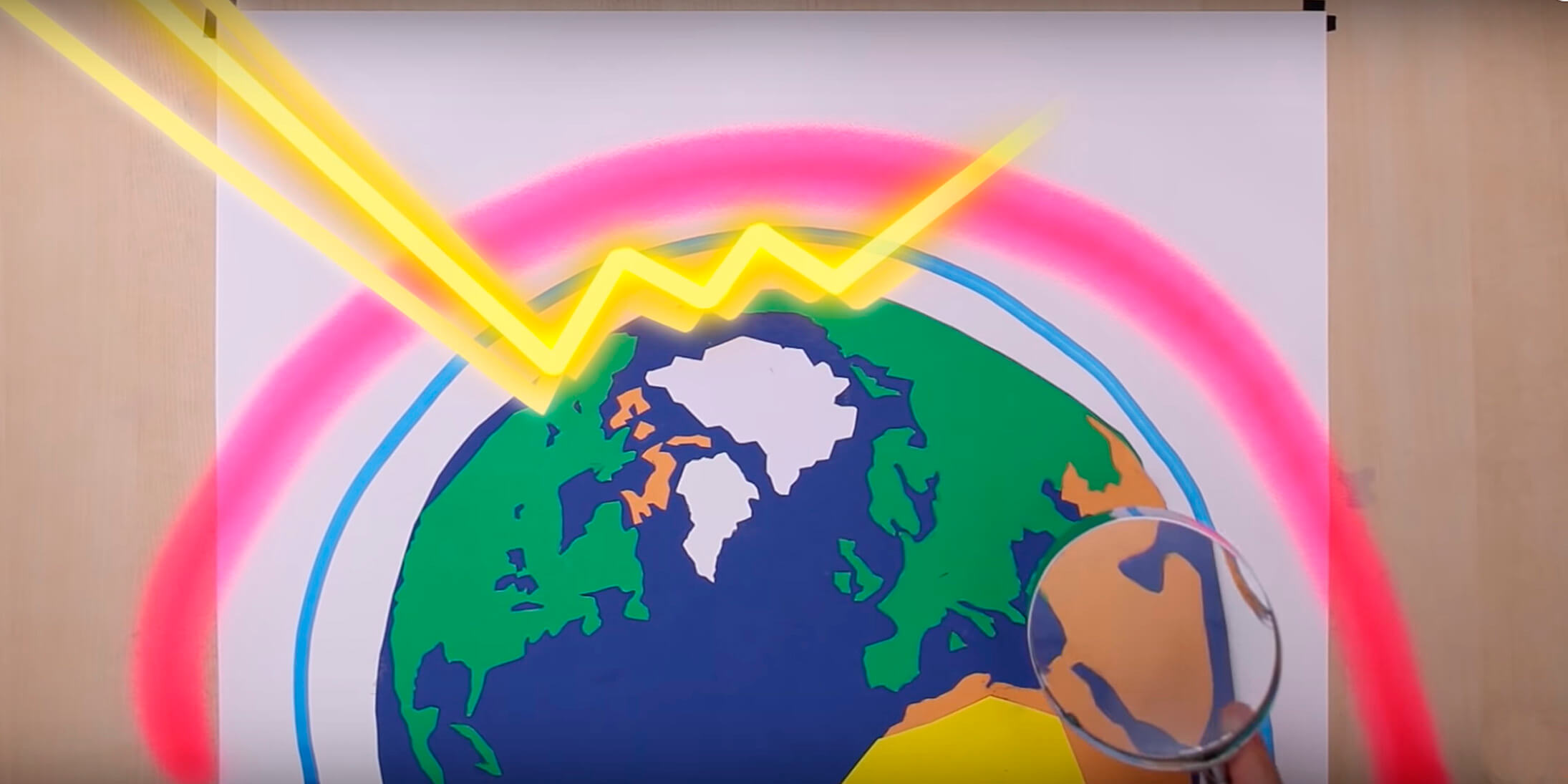
Global warming is caused by the greenhouse effect, a natural process by which the atmosphere retains some of the Sun’s heat, allowing the Earth to maintain the necessary conditions to host life. Without the greenhouse effect, the average temperature of the planet would be -18ºC.
The problem is that daily human activities maximize the greenhouse effectopens in a new tab, causing the planet’s temperature to increase even more.
CAUSES BEHIND GLOBAL WARMING
GREENHOUSE GASES
GREENHOUSE GASES
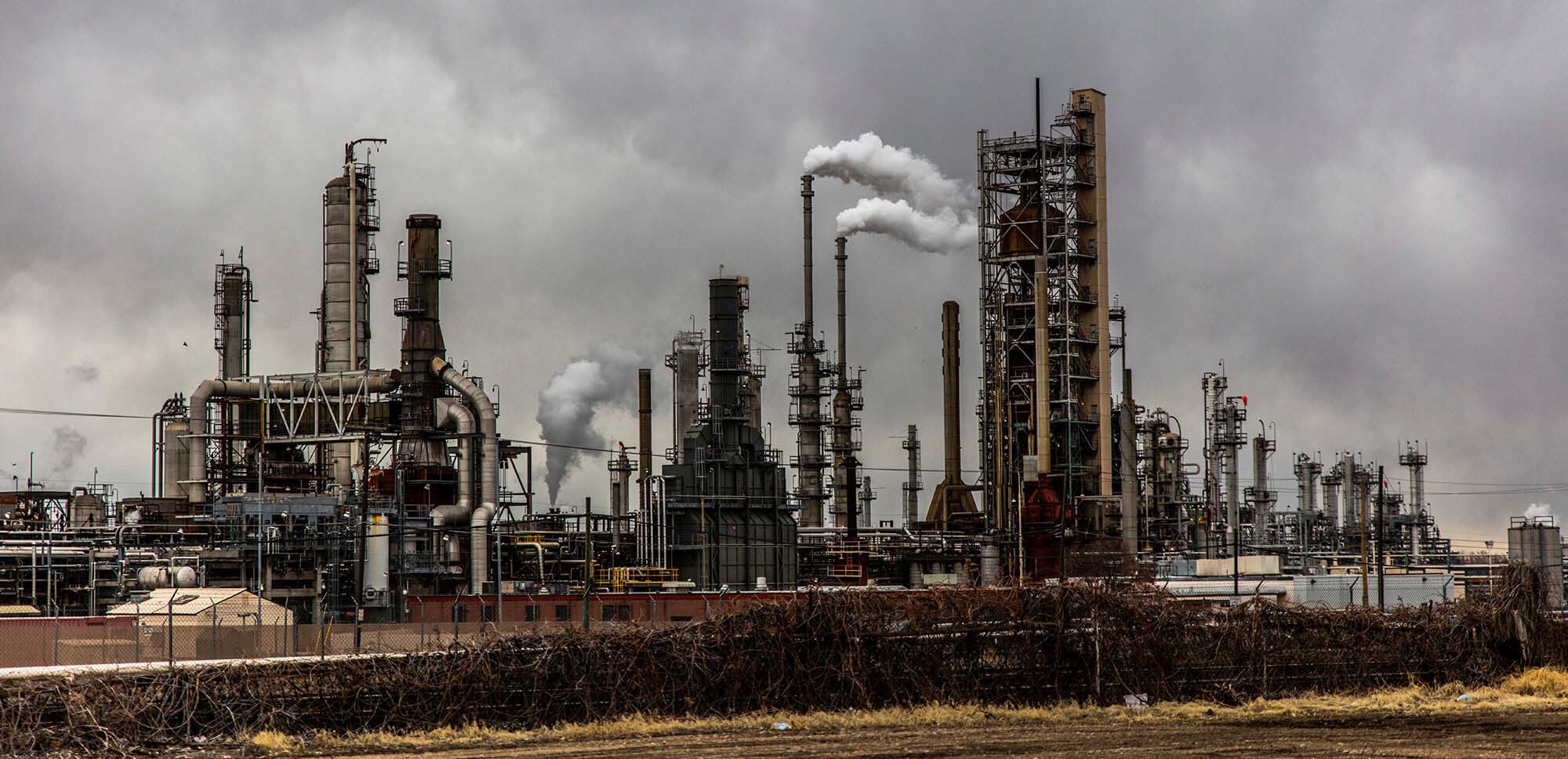
Carbon dioxide, Methane, Nitrogen oxide, HCFCs: caused mainly by the burning of fossil fuels in electricity generation, transport, heating, industry and construction. Also caused by livestock, agriculture (mainly rice farming), wastewater treatment and landfills among others.
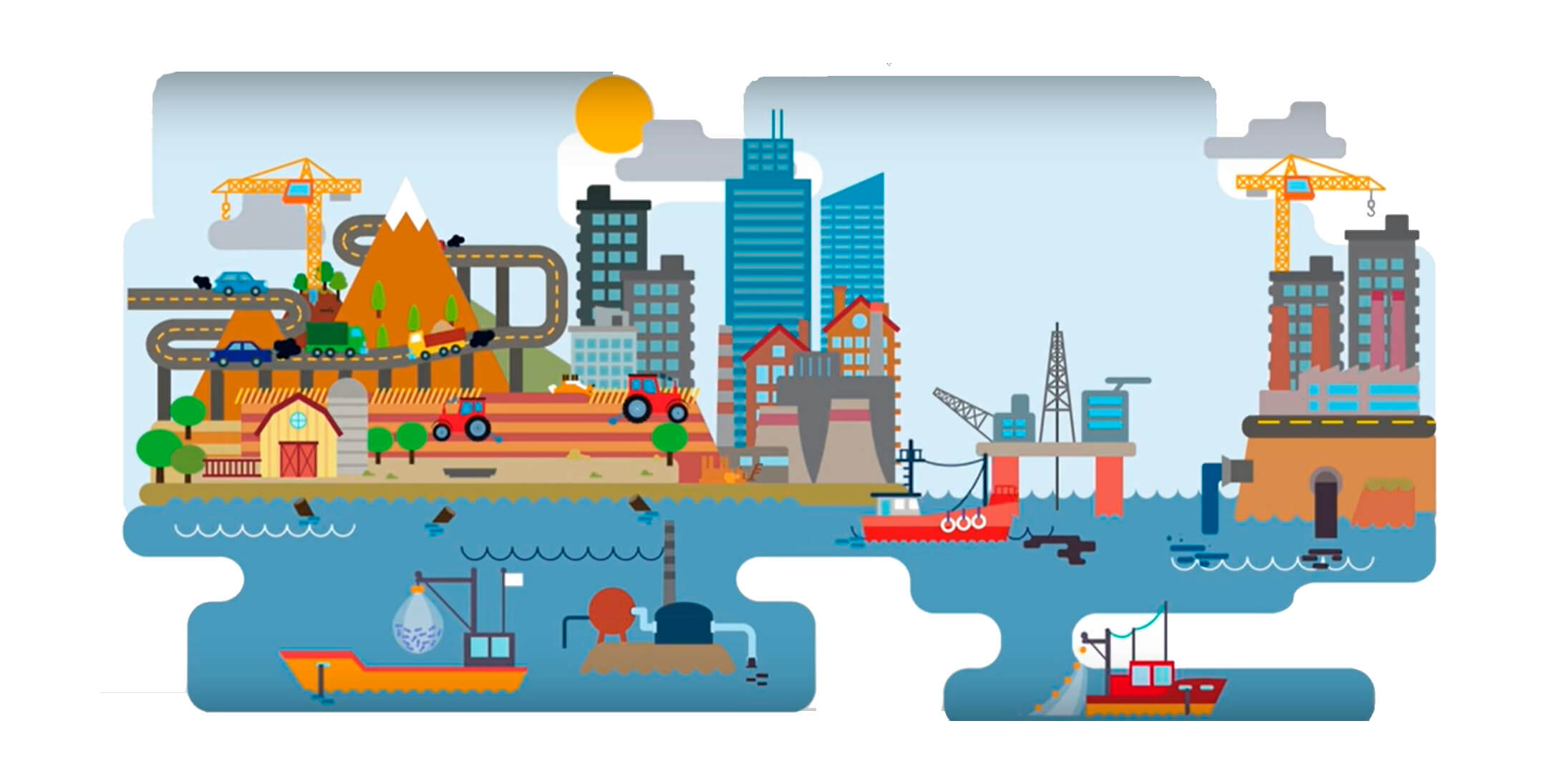
DESTRUCTION OF LAND ECOSYSTEMS AND DEFORESTATION
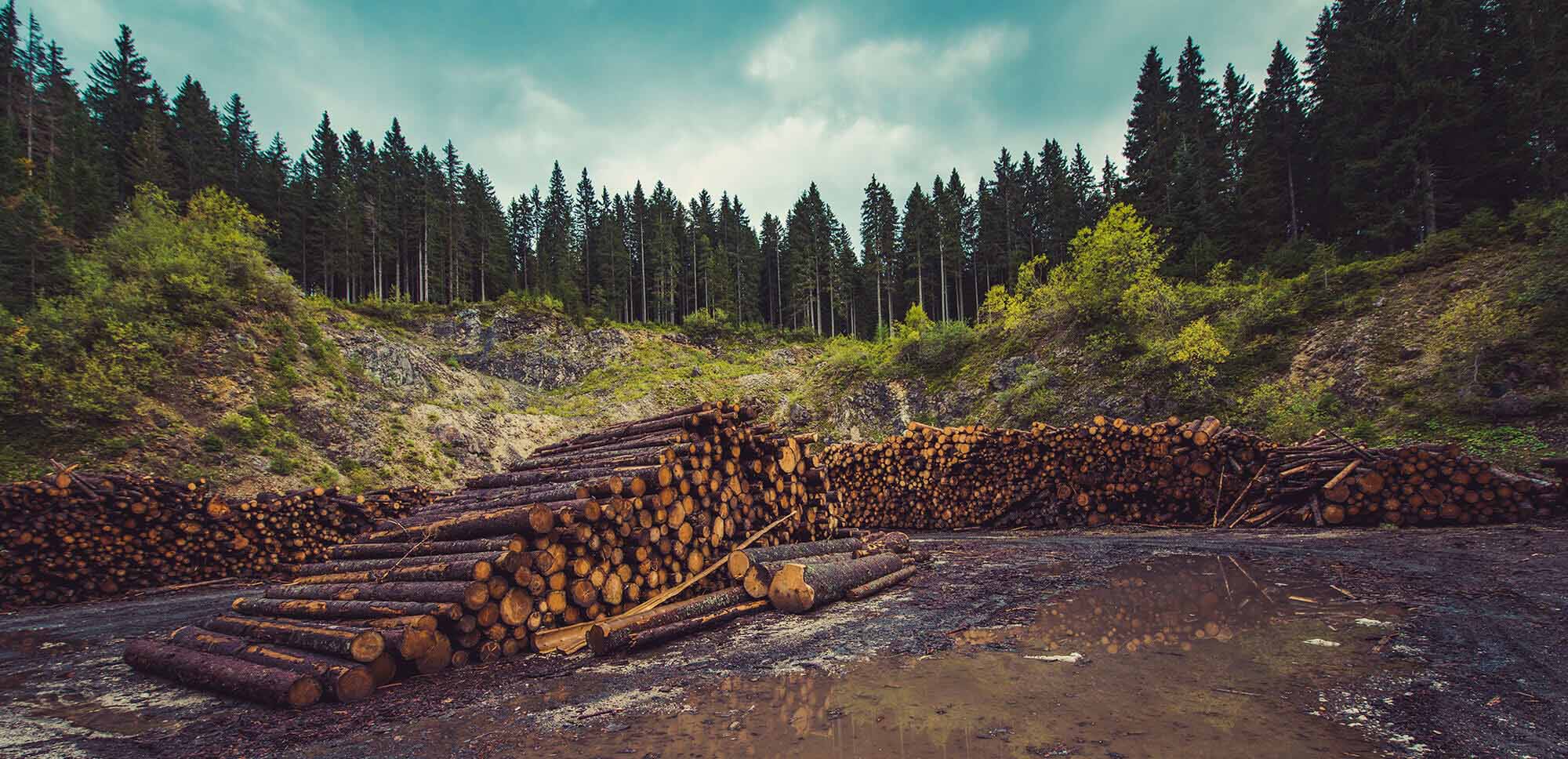
DESTRUCTION OF LAND ECOSYSTEMS AND DEFORESTATION
Deforestation is one of the most important causes of climate change. The forests and rainforests are disappearing at breakneck speed. In the past 10 years, they have destroyed no less than 13 million hectares.
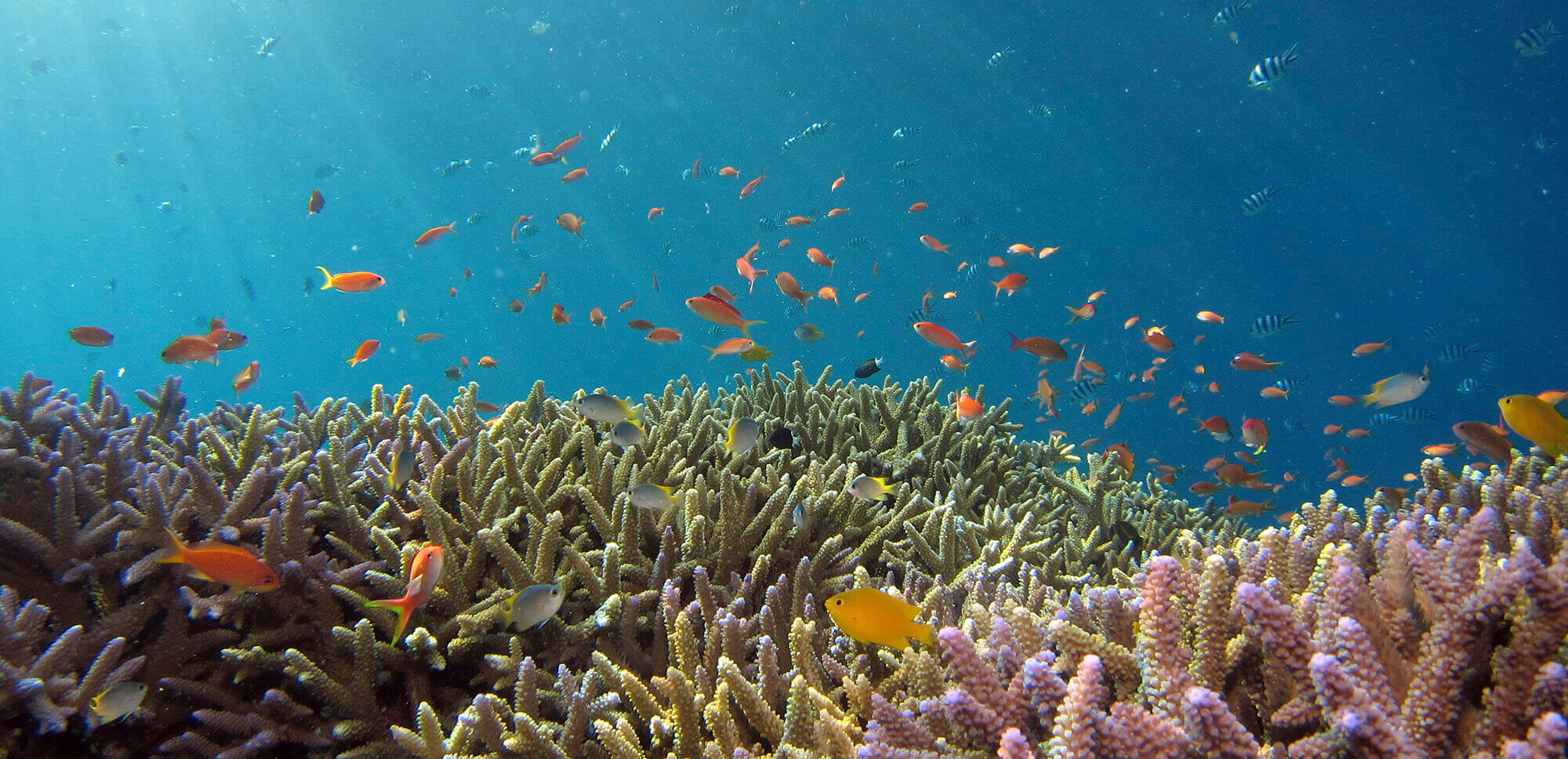
DESTRUCTION OF MARINE ECOSYSTEMS
DESTRUCTION OF MARINE ECOSYSTEMS
The oceans are also carbon sinks, absorbing up to 50 % of CO₂ The problem is that, when they reach their limit, the ocean acidifies and causes death and disease among marine flora and fauna.

POPULATION INCREASE
POPULATION INCREASE
Human population is growing exponentially. Today, barely 250 years later, we are more than 7.7 billion and will continue growing until 2050 by at least another 2 billion. An increasingly numerous population needs more and more resources, which speeds up the increase in greenhouse gas emissions from all production processes. WHEN DID HUMANS FIRST BEGIN TO CAUSE CLIMATE CHANGE?
WHEN DID HUMANS FIRST BEGIN TO CAUSE CLIMATE CHANGE?
Experts agree that the Industrial Revolution was the turning point when emissions of greenhouse effect gases opens in a new tabentering the atmosphere began to soar. The Industrial Revolution was itself borne out of smaller revolutions: agricultural, technological, demographic, transport, finance… creating a new model of production and consumption.
From then onward, population growth (in 1750, there were fewer than 800 million people on Earth, whereas now we are over 8 billion), exploding resource use, increasing energy demand and production, mainly from fossil fuels, all saw the planet enter into what the scientific community have termed the Anthropoceneopens in a new tab period, a new geological era characterized by human impact on Earth.
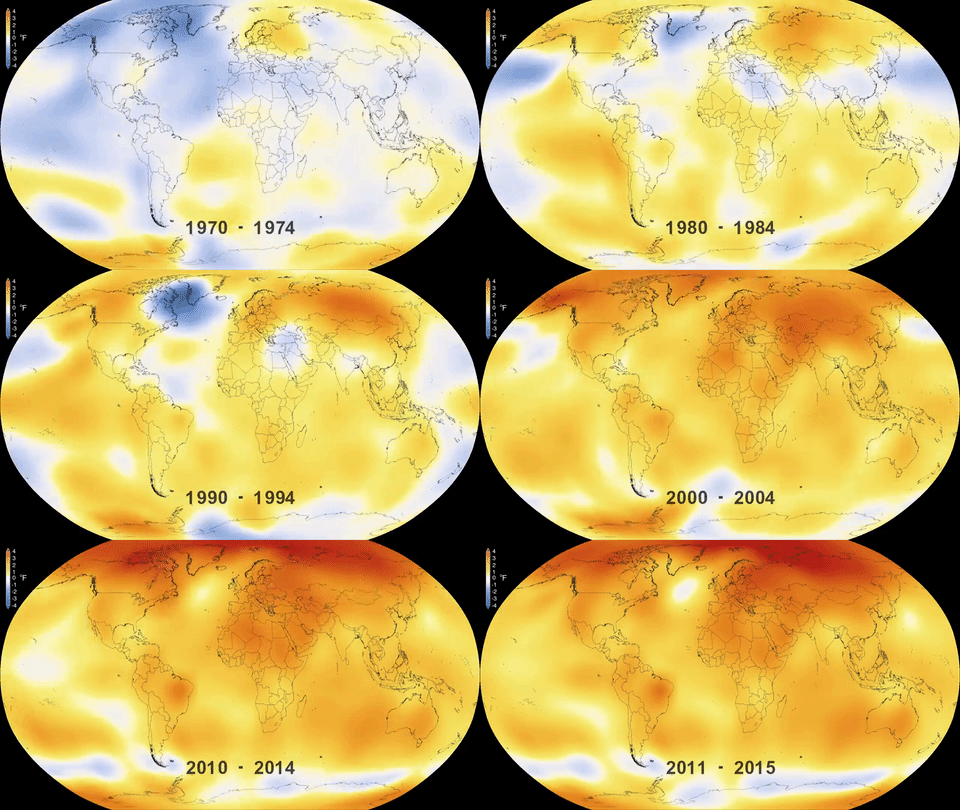
The main impact was the increase in the global temperature of the planet. In 2025, the global average temperature reached 1.44°C above pre-industrial levels, according to the World Meteorological Organization. For the first time in history, the three-year average for 2023, 2024 and 2025 exceeded the 1.5°C threshold set by the Paris Agreement. Scientists warn that without drastic emissions reductions, warming will continue to accelerate throughout the century.
GREENHOUSE EFFECT IN 2 MINUTES

ANTHROPOCENE EXPLAINED IN 2 MINUTES
CONSEQUENCES OF CLIMATE CHANGE
The global temperature increase brings disastrous consequences, endangering the survival of the Earth’s flora and fauna, including human beings. The worst climate change impactsopens in a new tab include the melting of the ice mass at the poles, which in turn causes rising sea level, producing flooding and threatening coastal environments through which small island states risk disappearingopens in a new tab entirely.
The oceans absorb more than 90% of the planet's excess heat, and their surface temperature broke new records in 2025. The Arctic recorded its lowest sea ice extent in 47 years in the early months of that year, accelerating sea level rise and disrupting the ocean currents that regulate climate across the entire planet.
Climate change also increases the appearance of more violent weather phenomena, drought, fires, the death of animal and plant species, flooding from rivers and lakes, the creation of climate refugeesopens in a new tab and destruction of the food chain and economic resources, especially in developing countries.
MAIN OBSERVED AND EXPECTED ENVIRONMENTAL EFFECTS
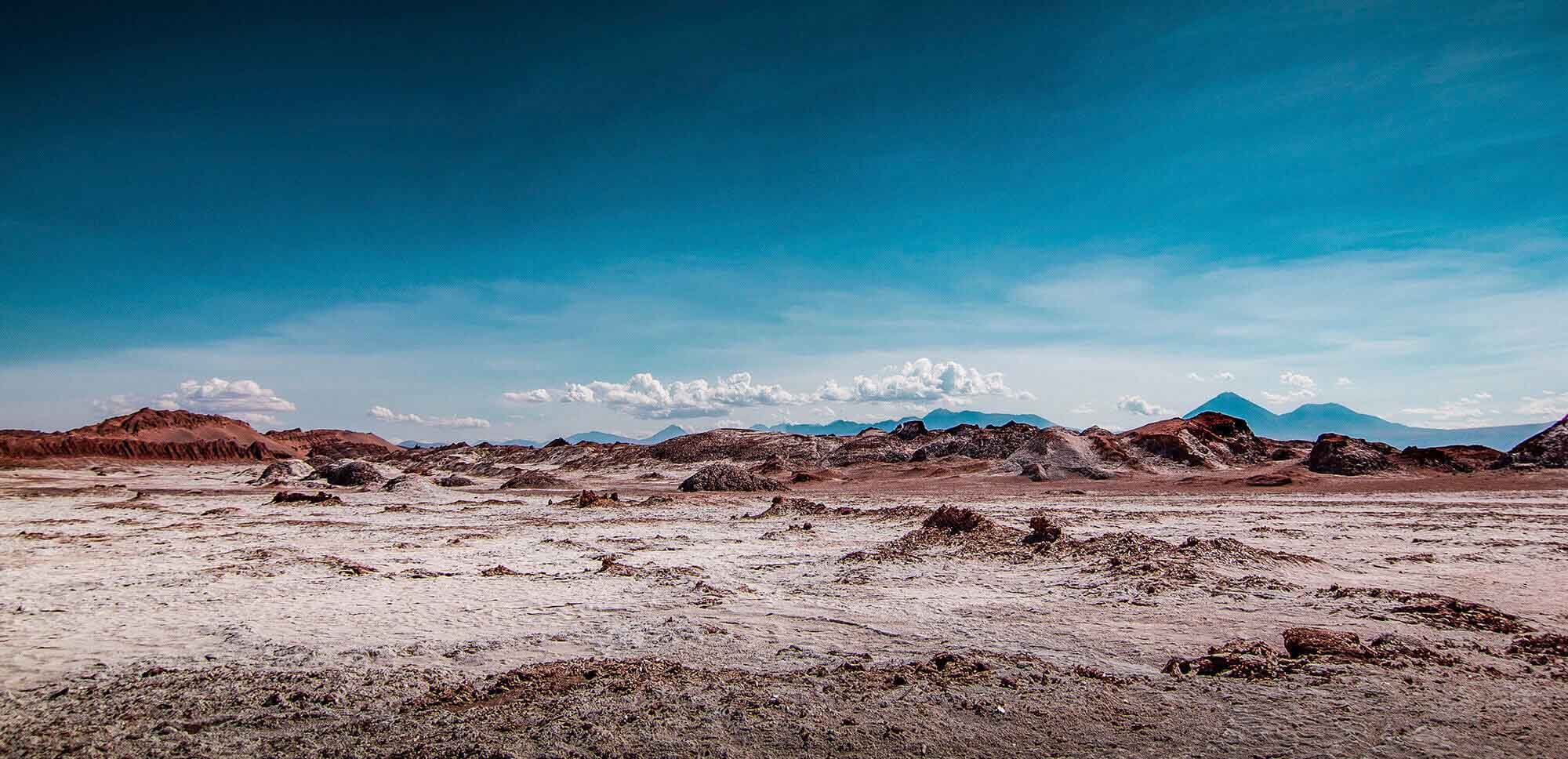
CHANGE IN ECOSYSTEMS AND DESERTIFICATION
CHANGE IN ECOSYSTEMS AND DESERTIFICATION
Variations in life conditions in natural environments cause death, disease and massive migrations of species.
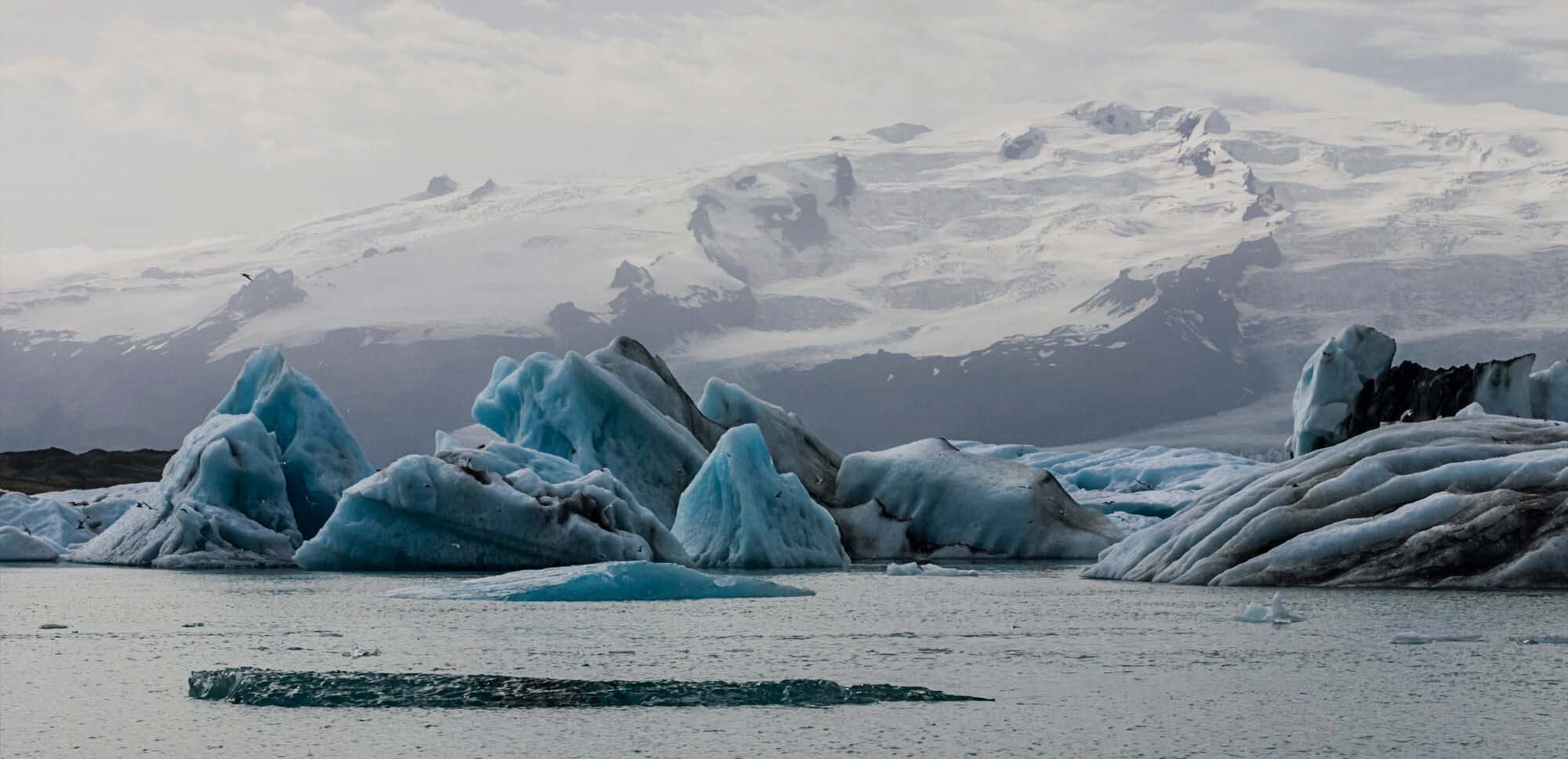
MELTING OF THE POLES AND RISING SEA LEVEL
MELTING OF THE POLES AND RISING SEA LEVEL
Heat causes the melting of the ice at the poles, which increases the sea level and threatens to submerge coastal communities and small island states.

ACIDIFICATION OF THE OCEANS
ACIDIFICATION OF THE OCEANS
The absorption of too much CO₂ causes death and disease among fish, algae, coral and other organisms in the sea.
EXTREME WEATHER PHENOMENA
EXTREME WEATHER PHENOMENA
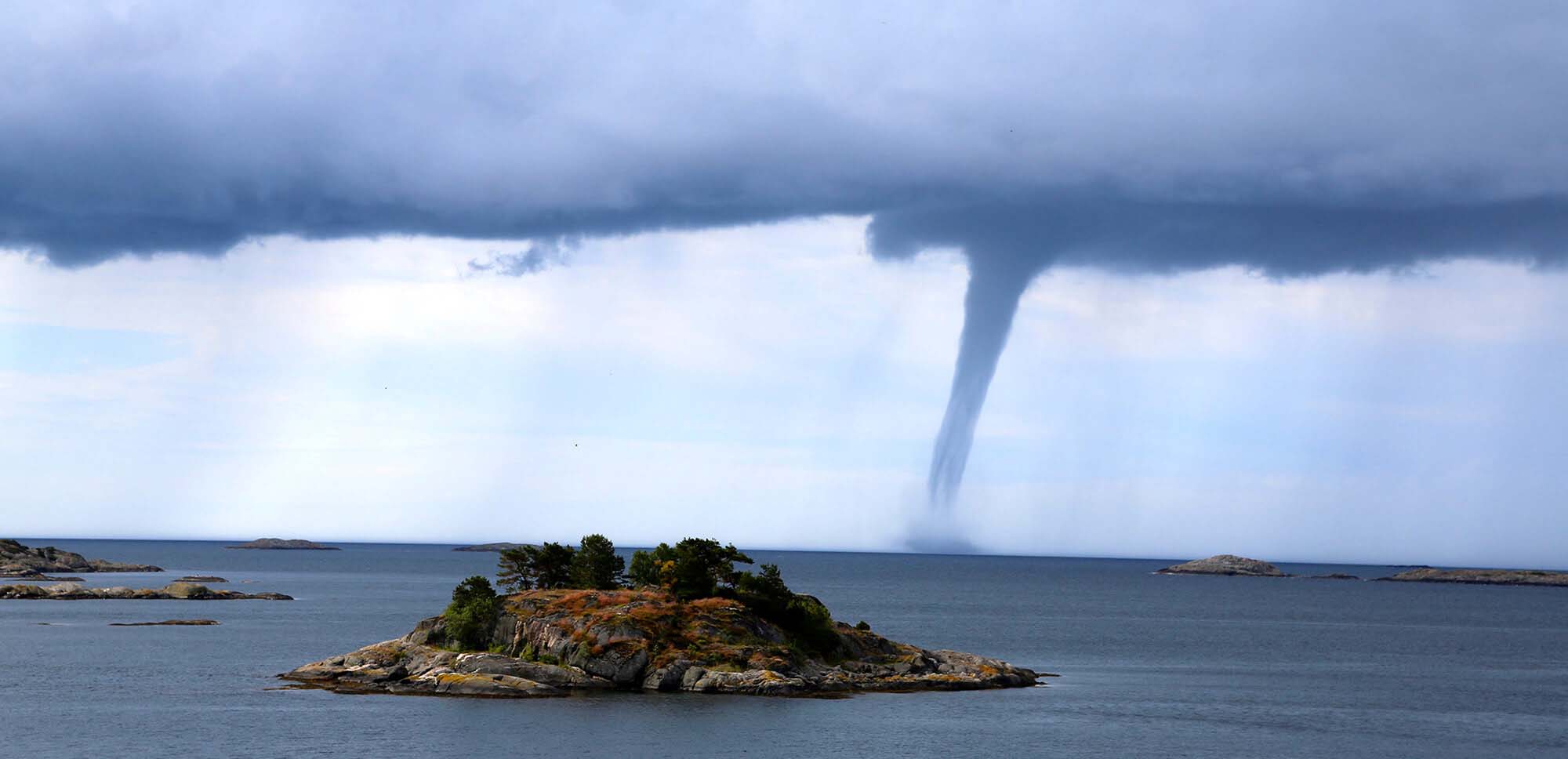
Hurricanes, cyclones, typhoons, drought, floods, rain and snow, all increase in their degree of violence due to global warming, causing more deaths, victims, refugees and material damage.

EXTINCTION OF SPECIES
EXTINCTION OF SPECIES
Changes in ecosystems and desertification cause the death of between 10,000 and 50,000 species every year.
MASSIVE MIGRATIONS
MASSIVE MIGRATIONS
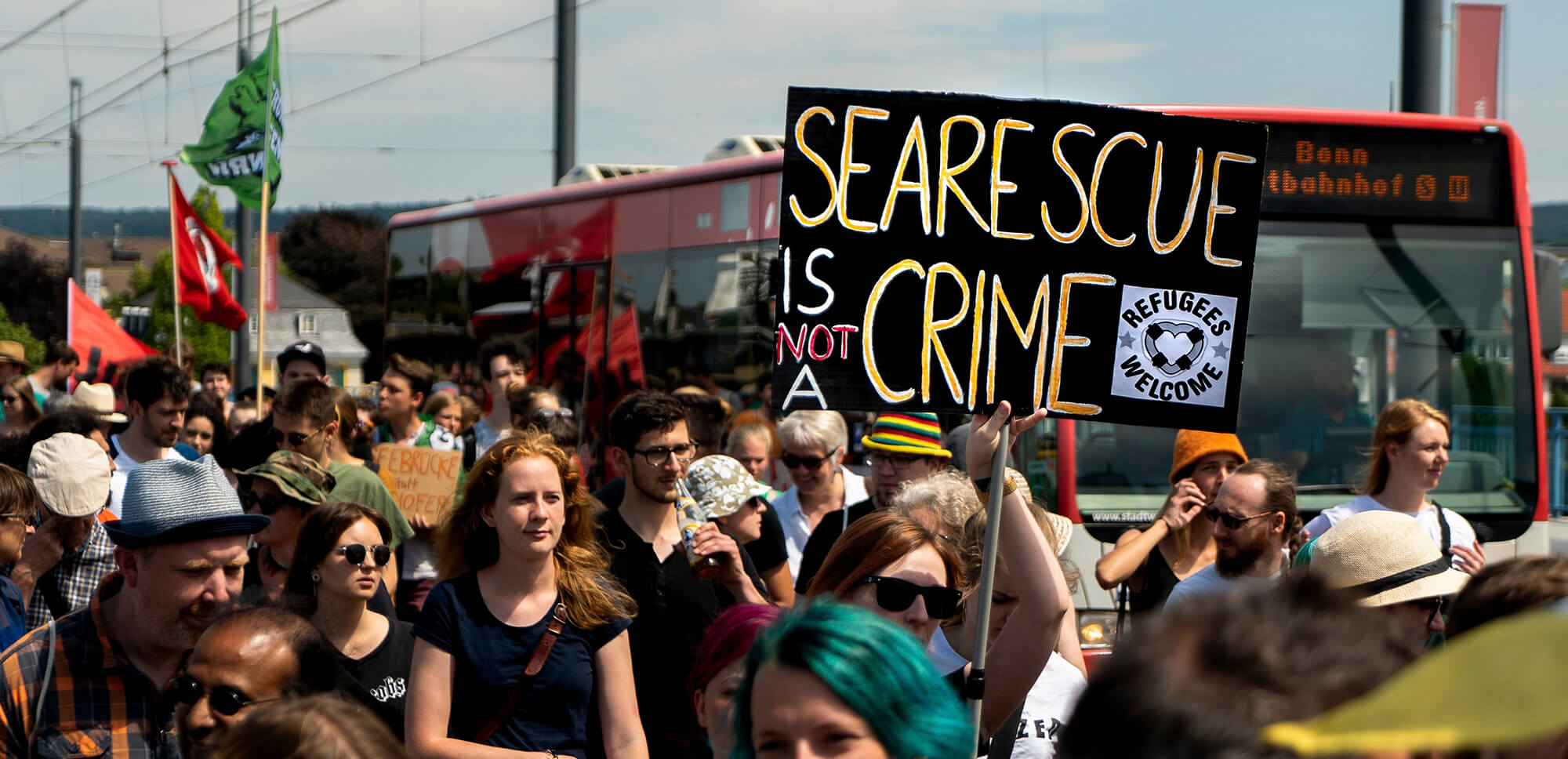
The existence of climate refugees, still to be recognized by the United Nations, is a reality; it is estimated their number could reach one billion by 2050.
HOW CAN WE AVOID CLIMATE CHANGE?
Mitigate the effects
Mitigate the effects
Mitigation consists of launching actions to reduce and limit greenhouse gas emissions with the aim of preventing the global temperature of the planet from continuing to increase. These actions consist of greater investment in renewable energies, transition to a low-carbon economy, promoting energy efficiency, electrification of industrial processes, and the implementation of efficient transport means (electric public transport, cycling, car sharing, etc.).
Adapting to the environment
Adapting to the environment
Adaptation focuses on actions to reduce vulnerability in the face of the effects of climate change, such as improving infrastructure and making facilities safer and more resilient, reforesting and landscape restoration, water treatment and purification, flexible and varied farming to be prepared for natural catastrophes, and the ability to predict these disasters and invest in research and development into the behavior of temperature or possible occurence of atmospheric phenomena.
International agreements
International agreements
The global response is structured around the Paris Agreement and the Conferences of the Parties (COP). In November 2025, COP30, held in Belém, Brazil, brought together 195 countries and approved the so-called Belém Package: 29 agreed decisions to accelerate the implementation of the Paris Agreement. However, the final agreement did not include a global roadmap for the progressive phase-out of fossil fuels, the main demand of scientists and the countries most vulnerable to climate change.
17 goals for a better world
These 17 objectives are interrelated and often the key to one's success will involve the issues most frequently linked to another.
They can be summarised as follows:
Eradicate poverty and hunger, guaranteeing a healthy life
Universalize access to basic services such as water, sanitation and sustainable energy
Support the generation of development opportunities through inclusive education and decent work
Foster innovation and resilient infrastructure, creating communities and cities able to produce and consume sustainably
Reduce inequality in the world, especially that concerning gender
Care for the environment combating climate change and protecting the oceans and land ecosystems
Promote collaboration between different social agents to create an environment of peace and sustainable development.
ACCIONA'S COMMITMENT

THE FIGHT AGAINST CLIMATE CHANGE
ACCIONA considers the fight against climate change and its derivative effects a strategic priority. Aligned with the Sustainable Development Goals (SDG), especially with n. 13 - climate action- the company works to mitigate greenhouse gas emissions in order to contribute to the progress of society and respond to the main challenges of sustainable development in the field of infrastructure, water and energy, leading the transition to a low carbon economy.
Sustainability for all
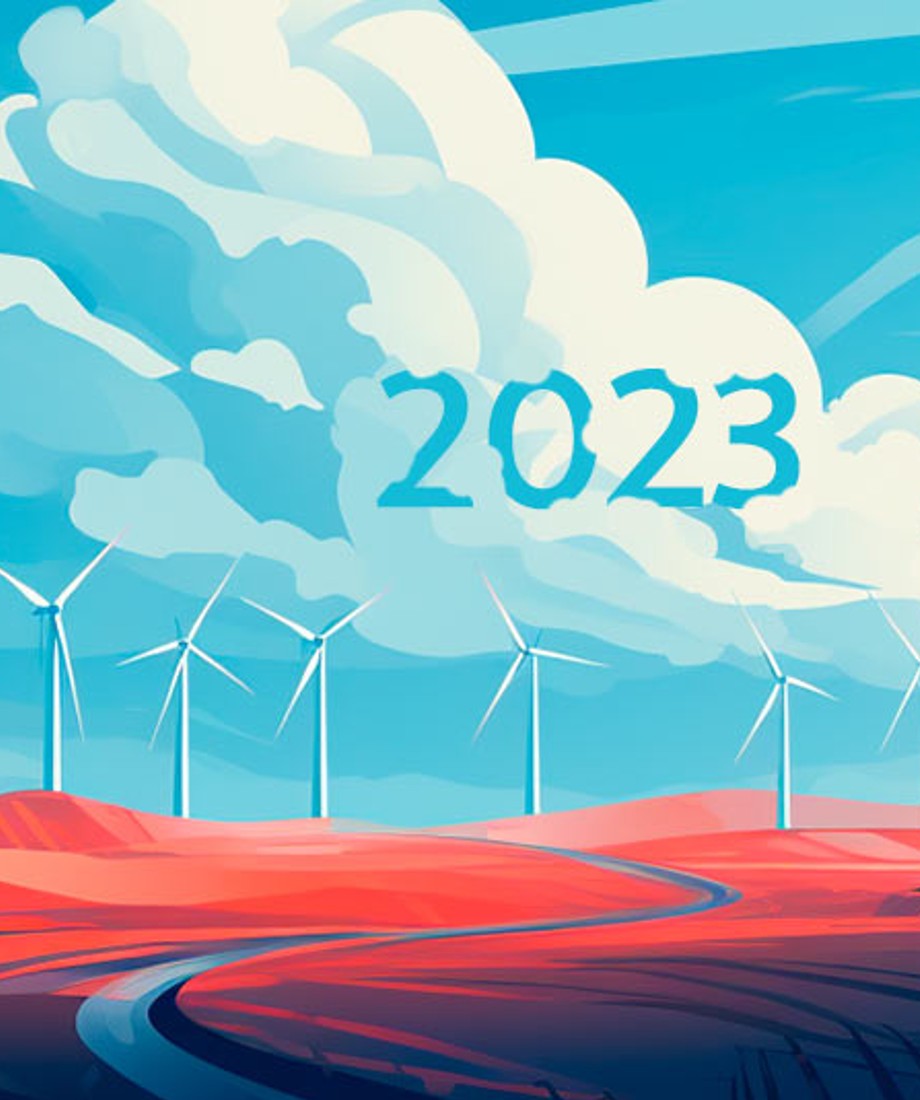
2023 IN REVIEW: CLIMATE MILESTONES, THE HIGHS AND LOWS
Reflecting on the year’s close, what key developments emerged in the realm of climate change and sustainability?

FAQS
Climate change is the set of variations in Earth's climate caused by the increase in the planet's global temperature. Unlike the natural climate changes of the past, which took place over millions of years, the current one is being driven by human activity in just two hundred years, making it an unprecedented threat to ecosystems, biodiversity and society.
WHAT IS CLIMATE CHANGE?
Although they are used as synonyms, they are distinct concepts: global warming is the cause and climate change is the consequence. Global warming is the increase in the planet's average temperature caused by greenhouse gas emissions of human origin. That rise in temperature is what triggers the variations in climate we call climate change.
WHAT IS THE DIFFERENCE BETWEEN CLIMATE CHANGE AND GLOBAL WARMING?
The main cause is the increase in greenhouse gas emissions resulting from human activity, especially since the Industrial Revolution. The factors that contribute most are the burning of fossil fuels to produce energy, the exponential growth of population and consumption, and the destruction of land and marine ecosystems that act as carbon sinks.
WHAT ARE THE CAUSES OF CLIMATE CHANGE?
The consequences are multiple and affect all of the planet's systems: melting of the poles and rising sea levels, desertification and changes in ecosystems, acidification of the oceans, increase in extreme weather events such as droughts, floods and wildfires, extinction of species and mass population migrations. Developing countries are the most vulnerable despite having contributed least to the problem.
WHAT ARE THE CONSEQUENCES OF CLIMATE CHANGE?
The last 11 years have been the 11 warmest on record. In 2025, the global average temperature reached 1.44°C above pre-industrial levels (1850–1900), according to the World Meteorological Organization. For the first time in history, the three-year average for 2023, 2024 and 2025 exceeded the 1.5°C threshold set by the Paris Agreement.
WHAT ARE THE LATEST CLIMATE CHANGE DATA?
The greenhouse effect is a natural process essential for life: the atmosphere retains part of the Sun's heat and keeps the planet's average temperature at habitable levels. Without it, the temperature would be -18°C. The problem arises when human activity increases the concentration of greenhouse gases in the atmosphere, which retains more heat than necessary and triggers the global warming that causes climate change.
WHAT IS THE GREENHOUSE EFFECT AND HOW DOES IT RELATE TO CLIMATE CHANGE?
The Paris Agreement is the main international treaty on climate change, adopted in 2015 at COP21. Its central objective is to limit the increase in global temperature to below 2°C above pre-industrial levels, with efforts to stay within 1.5°C. COP30, held in Belém, Brazil, in November 2025, brought together 195 countries and approved the Belém Package: 29 decisions to accelerate the implementation of the Paris Agreement. The final agreement did not include, however, a global roadmap for the progressive phase-out of fossil fuels.
WHAT IS THE PARIS AGREEMENT AND WHAT DID COP30 AGREE?